
How Portable Restroom Solutions Support Construction Sites and Outdoor Events
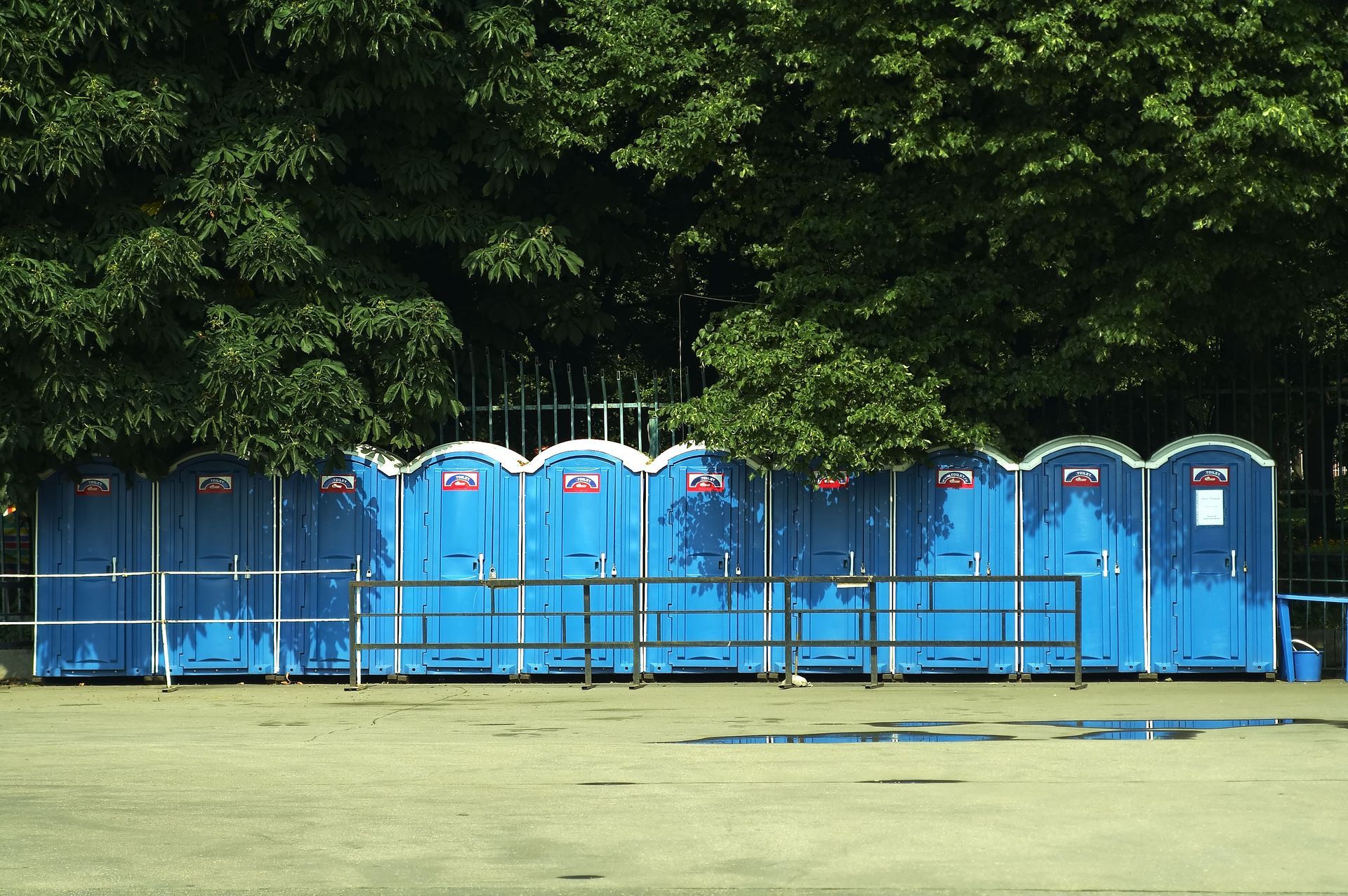
Construction projects and outdoor events require careful planning to provide convenient, sanitary facilities for workers, visitors, and guests. When permanent restrooms are unavailable or too far from the activity area, portable sanitation offers a practical way to address those needs. The right portable toilet rental options help accommodate different site conditions, expected usage, and comfort requirements while supporting daily operations.
Portable restroom planning involves more than choosing a unit and arranging delivery. Construction managers need to consider workforce size, site layout, access restrictions, and servicing schedules. Event organizers must account for attendance, accessibility, the length of the gathering, and the type of experience they want to provide. Understanding these factors helps project managers and event planners select facilities that suit their circumstances.
Understanding Sanitation Needs on Construction Sites
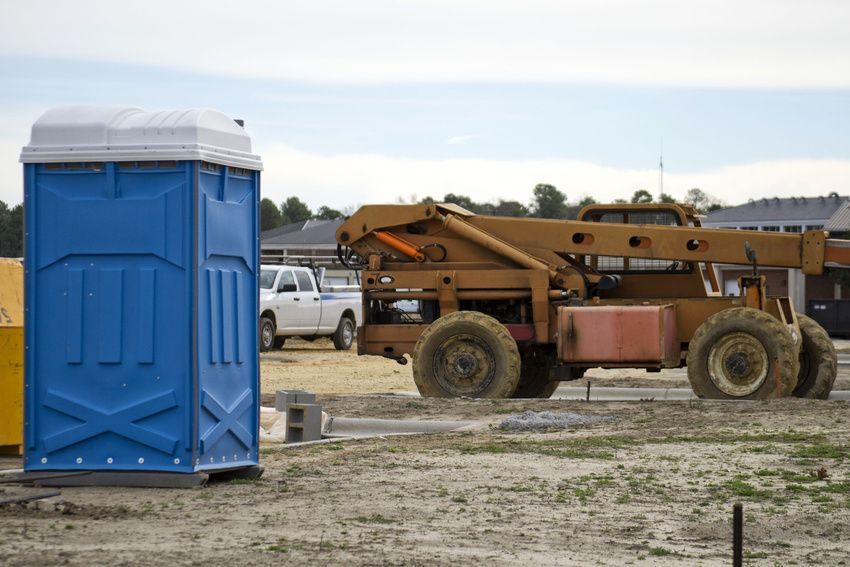
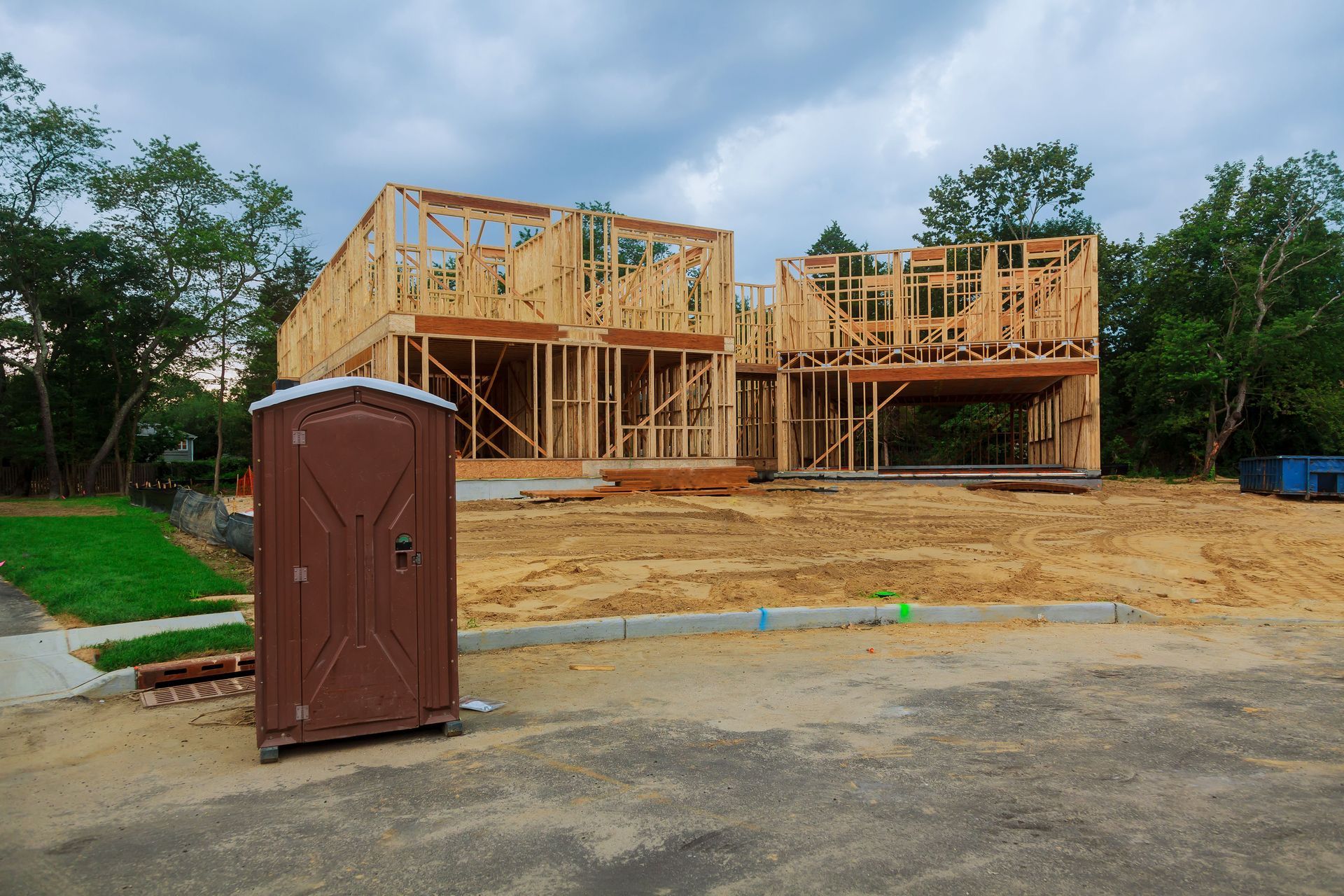
Construction sites often operate for extended periods without access to permanent restroom facilities. Workers need convenient sanitation throughout their shifts, and facilities should be positioned where crews can reach them without unnecessary interruptions. A suitable portable toilet rental provides a practical option for residential developments, commercial building projects, roadwork, and other construction environments.
The number of units required depends on several factors, including workforce size, work schedules, and site conditions. Project managers should assess how many people will use the facilities during a typical shift and consider whether the workforce will grow as construction progresses. They should also account for the distance between restrooms and active work areas, particularly on larger sites where crews are spread across multiple locations.
Placement is another important consideration. Units need to be accessible to workers while remaining clear of vehicle routes, heavy equipment, material storage areas, and other potential obstructions. Site managers should identify suitable locations before delivery and account for the space needed for servicing vehicles to reach each unit.
Sanitation planning also needs to continue throughout a project. As work areas change, restroom locations and service requirements can change with them. Establishing a plan for regular maintenance and waste removal helps keep facilities available for workers during the construction schedule.
Matching Portable Restroom Features to Job Requirements
Construction environments vary, so restroom selection should reflect the demands of each project. Standard portable toilets are a practical choice for many job sites because they offer a straightforward facility for daily use. Features such as ventilation, an anti-slip floor, an occupancy latch, and a sanitary seat and floor design support functionality in active work environments.
Some projects require more specialized equipment. High-rise construction, for example, presents access challenges because workers need restroom facilities on elevated levels. Crane units are designed for this type of application and include crane attachments and interior handrails to support placement in suitable locations. Half-high or elevator units are another option when access through doors or elevators is necessary. Their compact dimensions and swivel wheels support maneuverability in confined spaces.
Accessibility also deserves attention when selecting facilities. Accessible portable restrooms offer more interior space, an oversized self-closing door, and ground-level entry. These features help accommodate people who need additional room or easier access. Project managers should evaluate site conditions and user requirements when determining which units are appropriate.
A portable toilet rental plan should also account for the supporting equipment and services a site needs. Depending on the project, this can include holding tanks for mobile offices or trailers, handwashing stations, and scheduled servicing. Discussing these details with a sanitation provider helps align the equipment with the worksite's practical requirements.
Planning Restroom Access for Outdoor Events
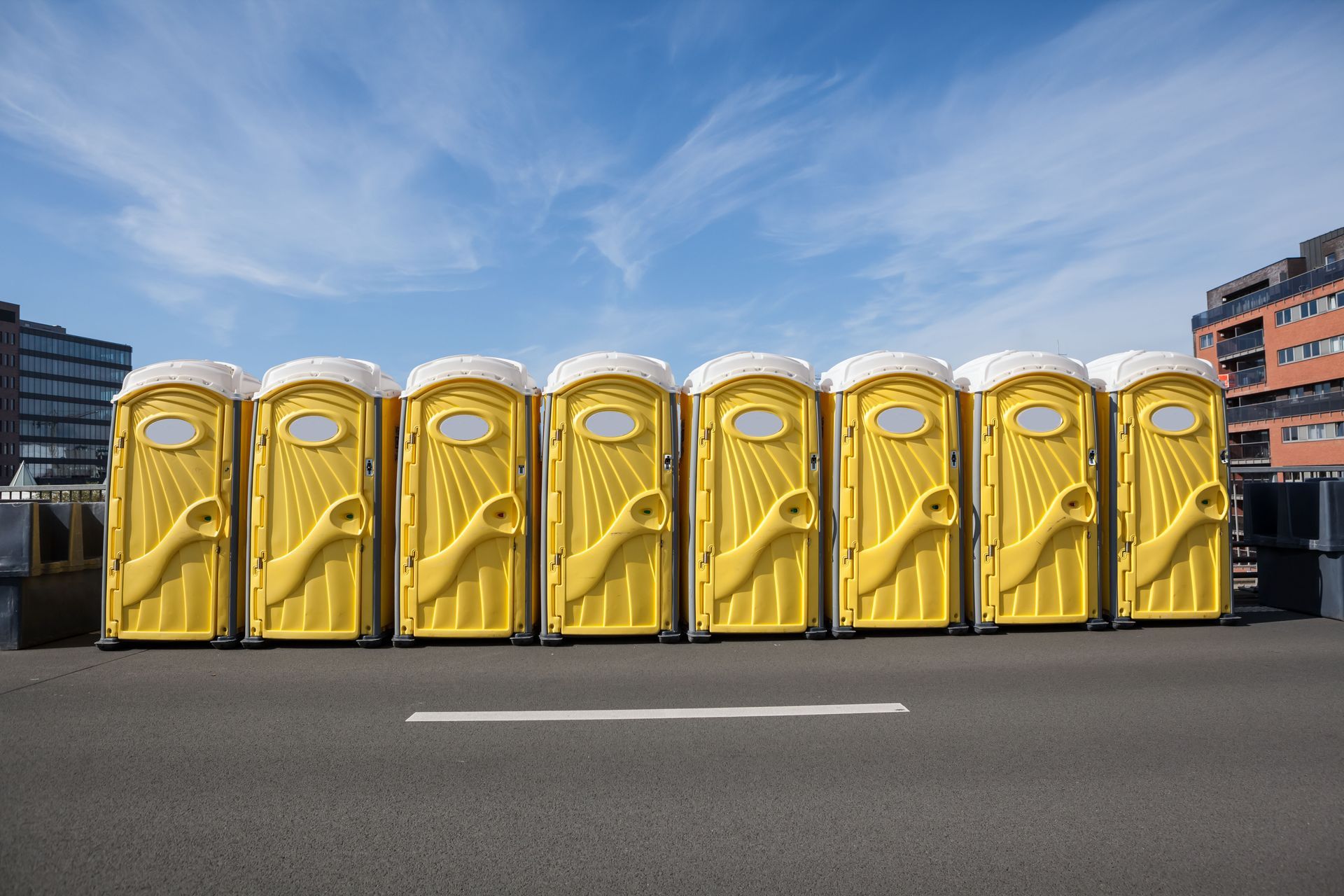
Outdoor events create different sanitation challenges from construction projects. Weddings, festivals, fundraisers, corporate gatherings, sporting events, and community celebrations often take place in parks, fairgrounds, open fields, or other venues without enough permanent restrooms for the expected attendance.
Event organizers need to consider guest numbers, event duration, the venue's layout, and the location of food service or gathering areas. Facilities should be easy to locate without interfering with entrances, pedestrian routes, entertainment spaces, or emergency access. For events spread across a large area, organizers should consider how restroom placement affects convenience for guests in different sections of the venue.
Attendance estimates are a useful starting point, but the event schedule also matters. A short gathering has different usage patterns from a full-day festival or a multi-day outdoor celebration. Organizers should share expected attendance and operating hours with their sanitation provider when requesting a recommendation. The provider can then discuss suitable unit quantities, placement, and servicing arrangements based on the event's needs.
Handwashing facilities are another important part of event planning, particularly near food service areas. Adding handwashing stations helps give attendees access to a place to clean their hands. Organizers should also consider accessible restroom options so guests with mobility needs have appropriate facilities available.
Selecting Restroom Options for Guest Comfort
The type of restroom provided can influence how comfortable guests feel during an outdoor gathering. Standard event units suit many casual occasions, while premium options offer additional features for events where a more refined experience is appropriate.
Premium flushing portable restrooms can include a foot-pump flushing system, an interior handwashing sink, soap, hand towels, and lighting. These features provide added convenience compared with a basic unit. Luxury restroom trailers offer another option for weddings, corporate functions, and other events where organizers want facilities with a more traditional restroom feel.
The best choice depends on the occasion, venue, budget, and guest expectations. A neighborhood gathering with a short schedule has different requirements from a formal wedding or a large corporate event. Organizers should compare the available features and discuss the expected level of use before deciding which facilities to reserve.
A portable toilet rental arrangement for an event should also cover delivery, pickup, and any servicing needed while the venue is in use. For longer events, organizers should clarify how facilities will be maintained and how service vehicles can reach the units without disrupting guests. Confirming these details in advance helps keep sanitation logistics aligned with the event schedule.
Coordinating Delivery, Servicing, and Pickup
Delivery and maintenance are important parts of portable sanitation planning for both construction sites and outdoor events. Before the units arrive, site managers and event organizers should identify suitable placement areas and explain any access restrictions. Uneven ground, limited vehicle access, narrow entrances, and changing work zones can affect where equipment can be positioned.
The servicing schedule should reflect expected usage and the length of time the facilities will remain on-site. High-traffic construction projects and large public gatherings have different requirements from smaller, shorter activities. Discussing the number of users, operating hours, and rental duration helps establish an appropriate plan.
Organizers should also confirm who will be responsible for coordinating access to the units and communicating schedule changes. Construction sites often evolve as equipment and materials move around, while outdoor events follow specific setup and breakdown timelines. Clear communication helps the sanitation provider plan deliveries, servicing visits, and pickups around these activities.
Considering Water Use and Sanitation Planning
Water use is another consideration when evaluating restroom facilities. Conventional flushing systems rely on water for each flush, while portable sanitation options vary in how they handle waste and water. The appropriate choice depends on the unit's design, the location, and the needs of the people using it.
According to the Environmental Protection Agency, portable sanitation alternatives can help conserve billions of gallons of fresh water annually compared with traditional flushing systems. Organizers should discuss the specific features of available restroom options rather than assume every portable unit uses the same amount of water or operates in the same way.
Portable sanitation planning includes waste collection, scheduled servicing, and maintenance vehicle access. Construction sites and event venues need sufficient space for safe servicing. Planners should also consider supply requirements for handwashing stations and flushing units to select facilities that meet site conditions, accessibility needs, and operating schedules.
Clean Cans LLC is a family-owned and operated portable sanitation provider established in 2012, serving Charlotte, Sarasota, Pinellas, Hillsborough, and Manatee counties in Florida. Its offerings include construction sanitation, portable restrooms for special events, accessible units, crane units, premium restrooms, and handwashing stations.
To discuss your site's requirements, request a free consultation and estimate for portable toilet rental solutions that fit your construction project or outdoor event.
Share On: