

How Many Portable Toilets Do You Need for an Outdoor Event?
Planning an outdoor event involves more than selecting a venue, coordinating entertainment, and arranging food. Providing adequate restroom facilities is another important consideration that directly affects attendee comfort and satisfaction. Having enough porta potties available helps prevent long lines, maintain sanitary conditions, and create a positive experience for everyone attending. Understanding the factors that influence restroom demand allows event organizers to make informed decisions about sanitation needs and rental arrangements.
Understanding Sanitation Requirements for Outdoor Events
Sanitation is an essential part of organizing a successful outdoor event. Without enough restroom facilities, attendees may experience long wait times, overcrowding, and uncomfortable conditions. Providing sufficient porta potties demonstrates consideration for guests while helping organizers maintain a clean and welcoming environment. Choosing the right number of porta potties helps ensure guests have convenient access to restroom facilities throughout the event.
Event organizers must also understand local regulations concerning temporary restroom facilities. Requirements may vary depending on attendance, event duration, and venue characteristics. Meeting these standards helps prevent compliance issues while ensuring that sanitation arrangements adequately support the crowd.
Another common mistake is underestimating how many restrooms an event requires. Organizers sometimes overlook the effects of longer event schedules, peak attendance periods, and increased restroom usage. According to the Portable Sanitation Association International, one portable toilet is recommended for every 50 people during a four-hour event. This provides a useful starting point when determining how many facilities to arrange.
The expected number of attendees is one of the most important factors when planning restroom accommodations. Larger crowds generally require more facilities to prevent long lines and excessive usage. Organizers should use realistic attendance projections rather than relying on minimum estimates when arranging porta potties.
Event duration also affects restroom requirements. A gathering lasting several hours may need fewer facilities than a festival or community celebration running throughout the day. Longer events typically require additional units, more frequent servicing, or both to maintain sanitary conditions.
The type of event can influence restroom demand as well. Concerts, festivals, sporting events, and outdoor weddings each have different attendance patterns and restroom usage expectations. Organizers should consider scheduled activities, food and beverage availability, and periods when large groups of attendees may need facilities simultaneously.
Attendee demographics are another consideration. Events with substantial family attendance may benefit from additional family-friendly accommodations, while organizers should also account for restroom access and distribution for different groups. Providing an appropriate selection of facilities helps create a more comfortable experience for everyone.
Finally, existing restroom facilities at the venue may reduce the number of temporary units needed. Organizers should determine whether permanent restrooms are accessible to guests throughout the event. However, they should not assume these facilities can accommodate the entire crowd without evaluating their capacity.
Calculating the Number of Portable Toilets Needed
Industry recommendations provide a useful starting point for estimating restroom requirements. The guideline of one portable toilet for every 50 people during a four-hour event can help organizers establish an initial rental estimate. However, this number should be adjusted according to event length, attendance patterns, and available permanent restrooms.
For example, an outdoor gathering with 500 attendees lasting four hours would generally require approximately 10 units under this recommendation. A festival expecting 1,000 attendees could begin with an estimate of 20 units for a comparable event duration. Longer schedules and higher usage expectations may require additional facilities. When estimating rental needs, organizers should consider whether additional porta potties are necessary during peak attendance periods.
Special accommodations should also be included in the initial estimate. Accessible restrooms are important for guests who use wheelchairs or other mobility devices, while family-oriented events may benefit from units with baby-changing stations. Organizers should discuss these requirements with their sanitation provider to determine an appropriate combination of facilities.
The layout of the venue can also influence the final number and distribution of units. Large outdoor properties may require several restroom locations so guests do not have to travel excessive distances. A sanitation provider can help evaluate the event layout and recommend an arrangement that supports convenient access.
Choosing the Right Types of Portable Restrooms
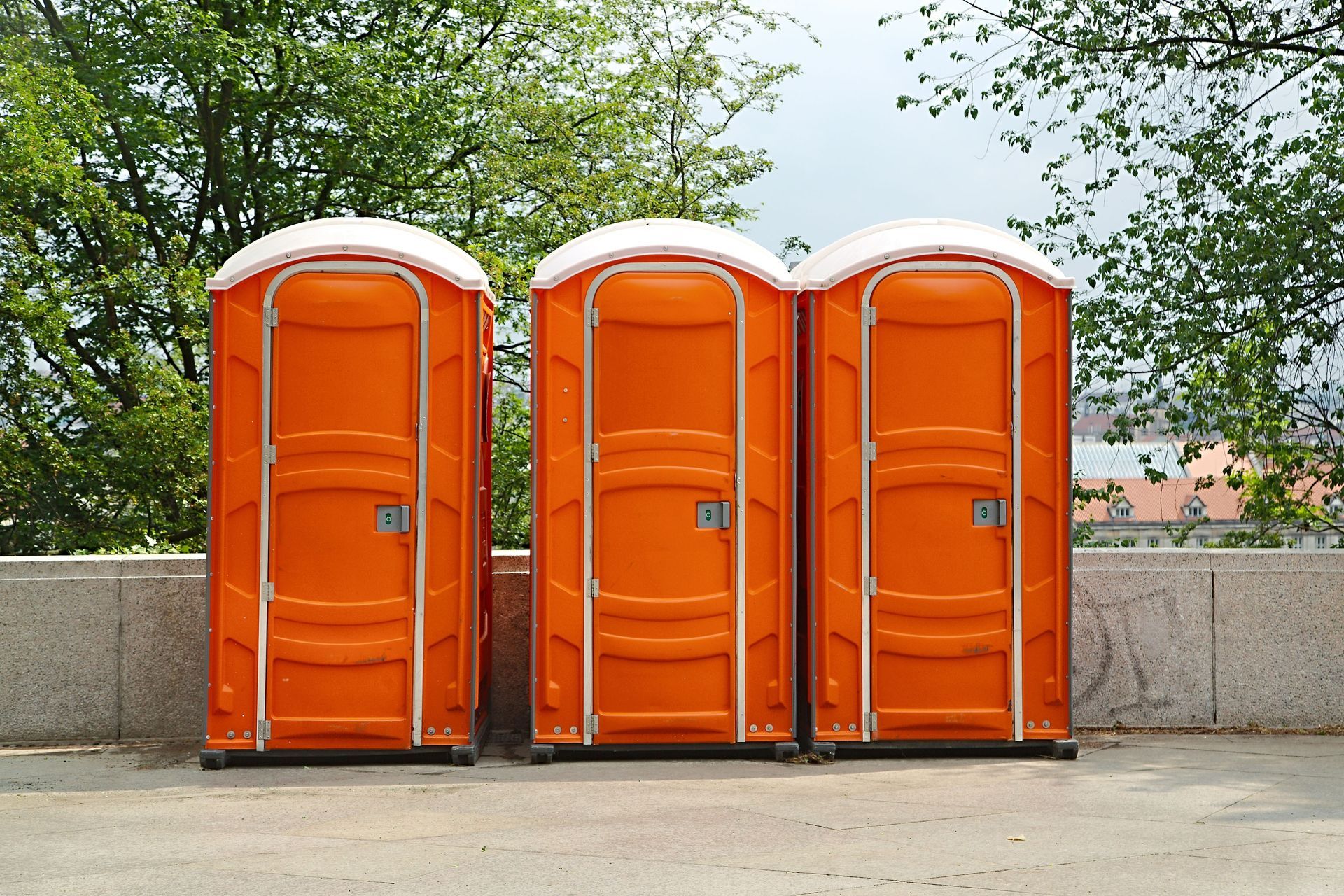
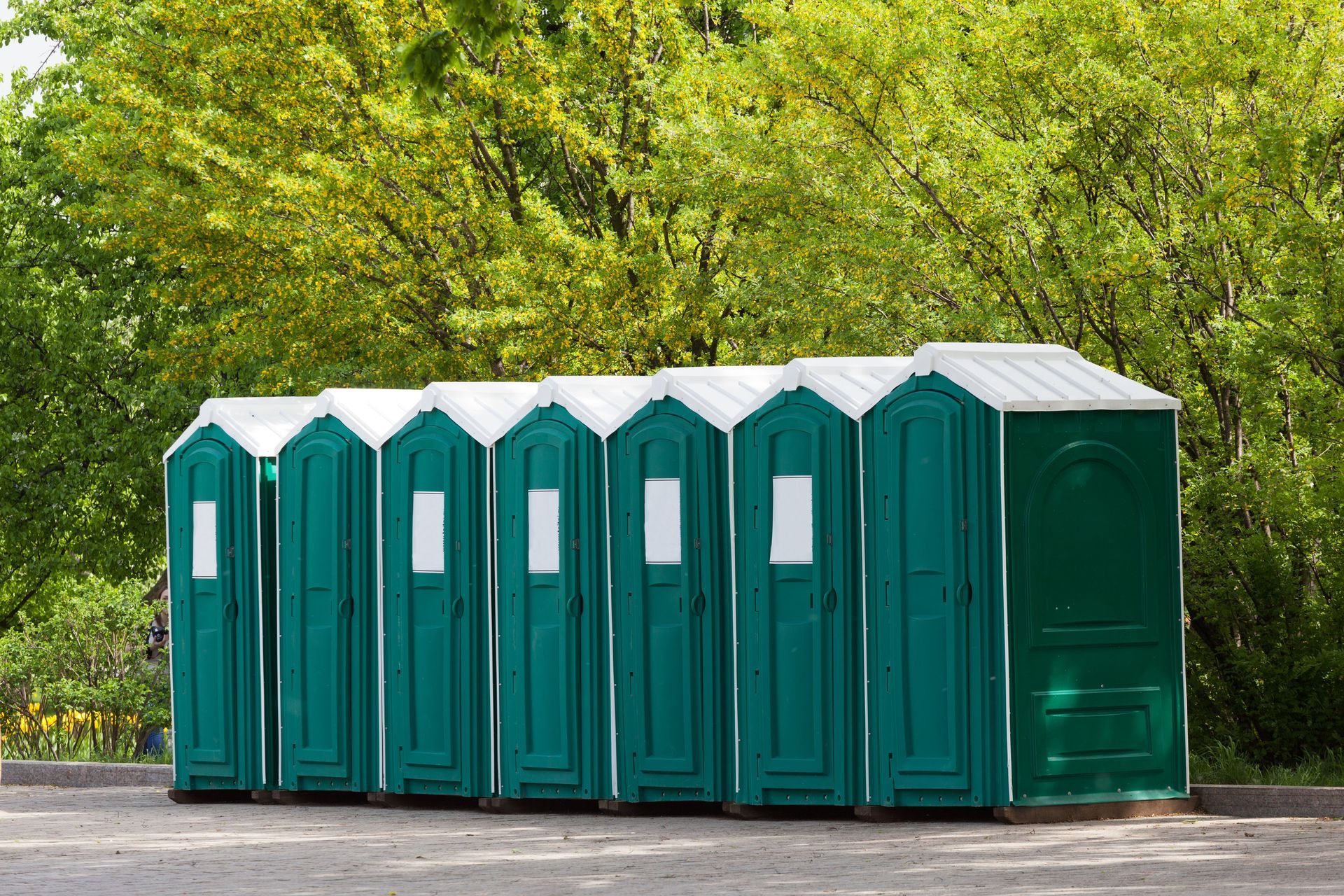
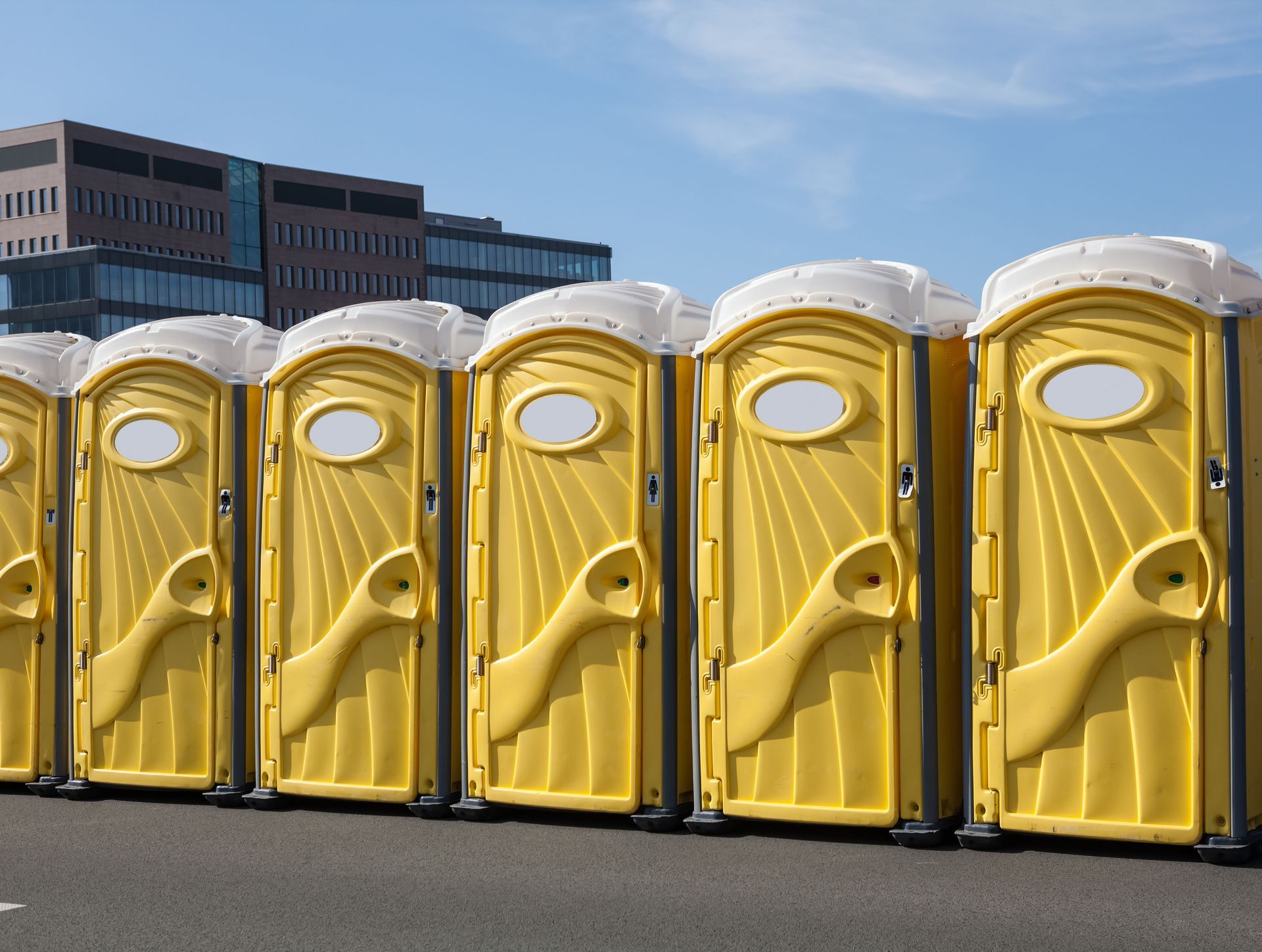
Standard portable toilets are a practical option for many outdoor events. They provide essential restroom accommodations while helping organizers manage sanitation expenses. These units are commonly used for festivals, sporting events, construction gatherings, and community celebrations. The variety of available porta potties makes it easier to accommodate different event sizes, budgets, and attendee preferences.
Luxury restroom trailers offer additional amenities for events where guest comfort is a higher priority. Depending on the model, these facilities may include flushing toilets, sinks, interior lighting, and climate control. They are often appropriate for weddings, corporate gatherings, and other occasions where organizers want a more traditional restroom experience.
Accessible portable restrooms are another important consideration. These units generally provide wider entrances, additional interior space, and support features that accommodate guests with mobility limitations. Including accessible facilities helps organizers make their events more welcoming and convenient for all attendees.
Handwashing stations can also improve sanitation arrangements. Providing convenient access to soap and water encourages proper hygiene, particularly at events where food and beverages are served. Organizers may choose standalone stations or restroom options that include integrated handwashing amenities.
Family-friendly accommodations can further improve the experience for guests attending with young children. Portable restrooms equipped with baby-changing stations provide added convenience for parents and caregivers. Selecting appropriate amenities based on the expected audience helps create a more accommodating event environment.
Planning Restroom Placement and Maintenance
The location of restroom facilities can be just as important as the total number available. Units should be positioned in convenient areas near major event attractions without interfering with pedestrian traffic. Organizers should also consider accessibility, privacy, lighting, and the distance between different activity areas.
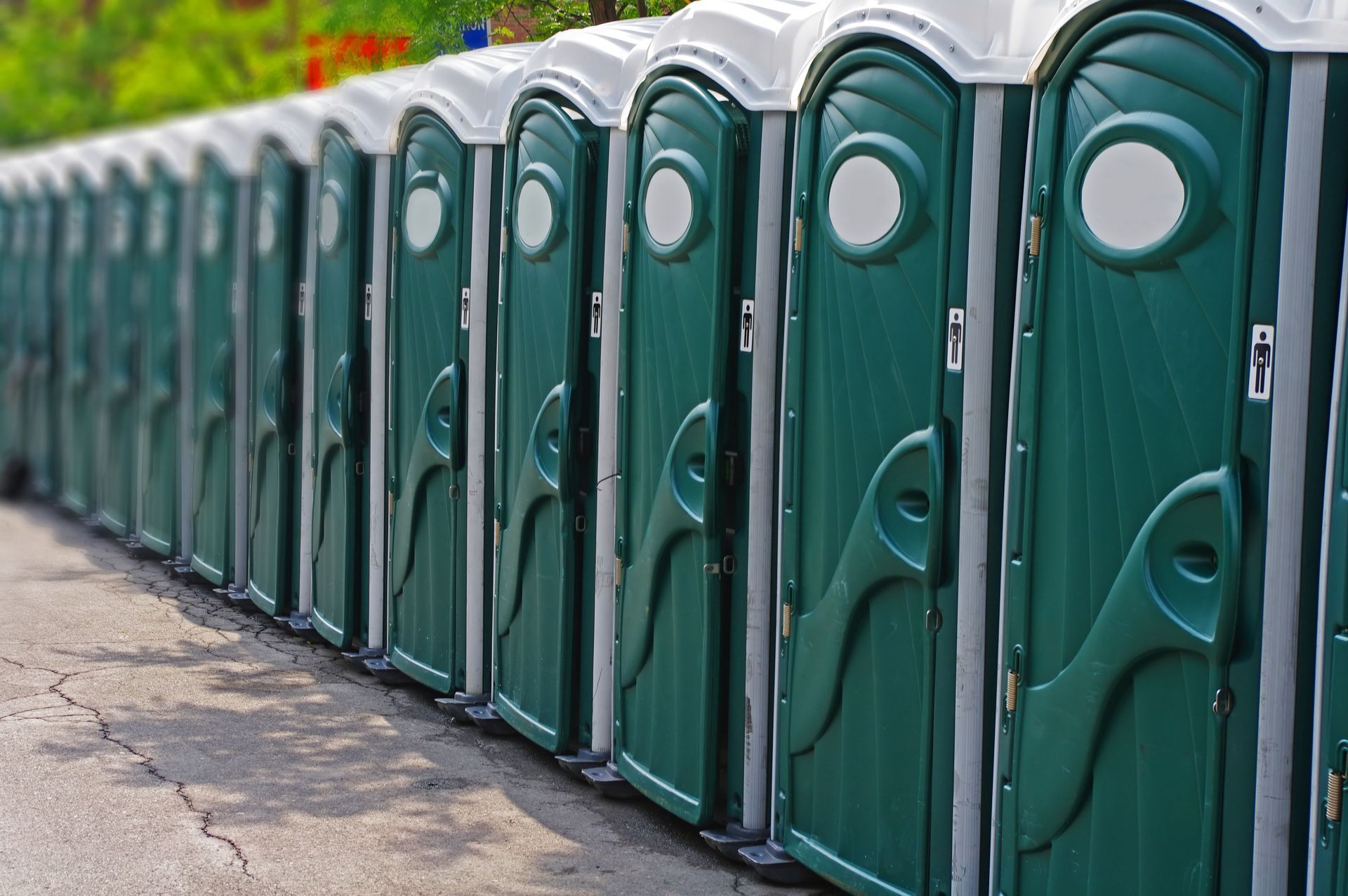
Large gatherings may benefit from multiple restroom locations rather than placing every unit in one area. Distributing porta potties throughout the venue can reduce congestion and make facilities easier to reach. Strategically distributing porta potties throughout the venue can reduce congestion and make restroom access more convenient. Clear signs can help attendees locate restrooms quickly, especially at larger properties or evening events.
Maintenance is another essential part of sanitation planning. Restrooms should remain clean, stocked, and functional throughout the event. Longer gatherings may require scheduled servicing to prevent unpleasant conditions and ensure facilities remain available when attendees need them.
Working with an experienced sanitation provider helps organizers establish an appropriate maintenance schedule. Providers can discuss expected usage, servicing frequency, and arrangements for addressing unexpected problems. Establishing these details before the event helps prevent avoidable disruptions.
Organizers should also consider access for sanitation service vehicles. Restroom locations need to accommodate necessary maintenance without creating unnecessary interference with event activities. Coordinating these logistical details in advance supports smoother operations.
Creating a Better Outdoor Event Experience
The right sanitation plan should account for attendance, event duration, venue layout, accessibility, and restroom preferences. Selecting an appropriate combination of standard units, luxury facilities, and additional hygiene amenities can help organizers meet different guest expectations. Careful planning also makes it easier to manage rental costs without sacrificing attendee comfort.
Clean Cans LLC can help event organizers arrange portable restroom solutions that accommodate their specific needs. Whether you are planning a community gathering, outdoor wedding, sporting event, or large festival, having dependable sanitation facilities is an important part of successful event preparation. Arranging porta potties in advance also gives organizers more time to coordinate delivery, placement, and servicing before guests arrive. Contact Clean Cans LLC to discuss your event, determine how many porta potties you may need, and arrange reliable restroom accommodations for your guests.
Share On: